Writing Task In some cities, parks and open spaces are being changed into community gardens where local residents can grow their own fruits and vegetables. Do you think the...
Continue reading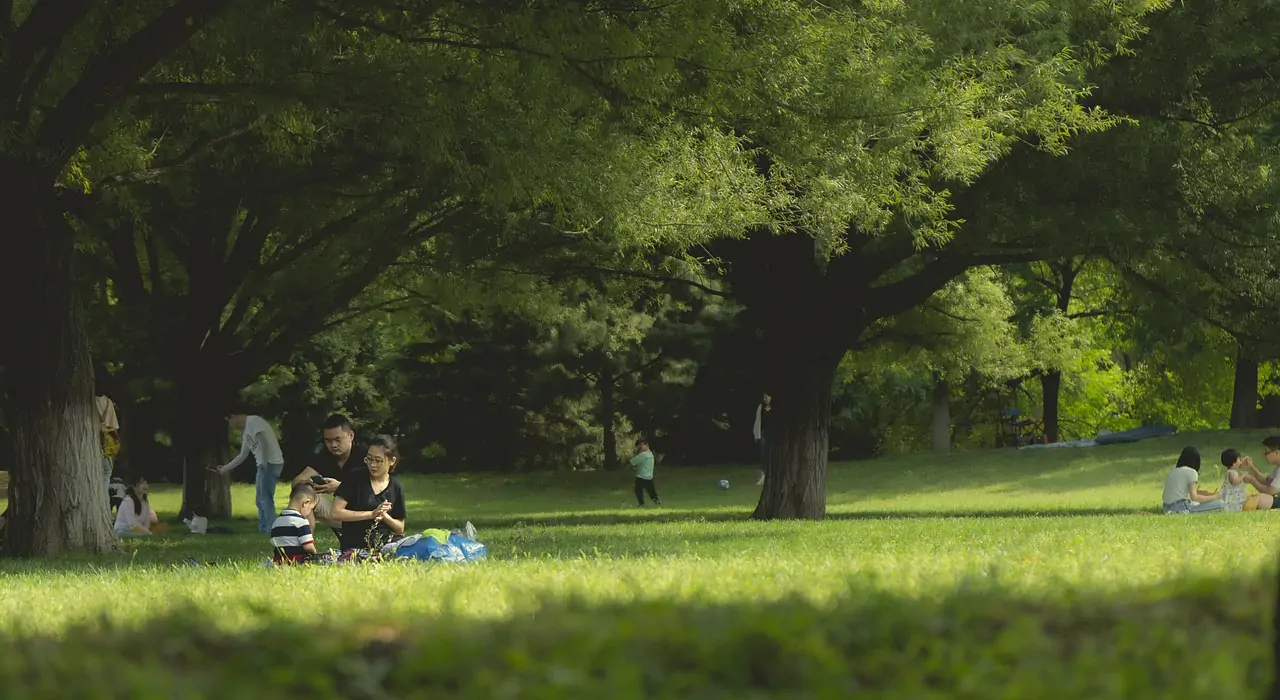
Be confident
Writing Task In some cities, parks and open spaces are being changed into community gardens where local residents can grow their own fruits and vegetables. Do you think the...
Continue reading
Writing Task Some people believe that young people should follow the traditions of society, while others think they should be free to act as individuals. Discuss both views and...
Continue reading
Writing Task In recent years, it has become increasingly common for people to relocate to other countries or regions. Discuss the advantages and disadvantages of this trend? What is...
Continue reading
Writing Task Scientists predict that computers will be more intelligent than human beings in the future. Some people believe it will be a positive development, while others worry it...
Continue reading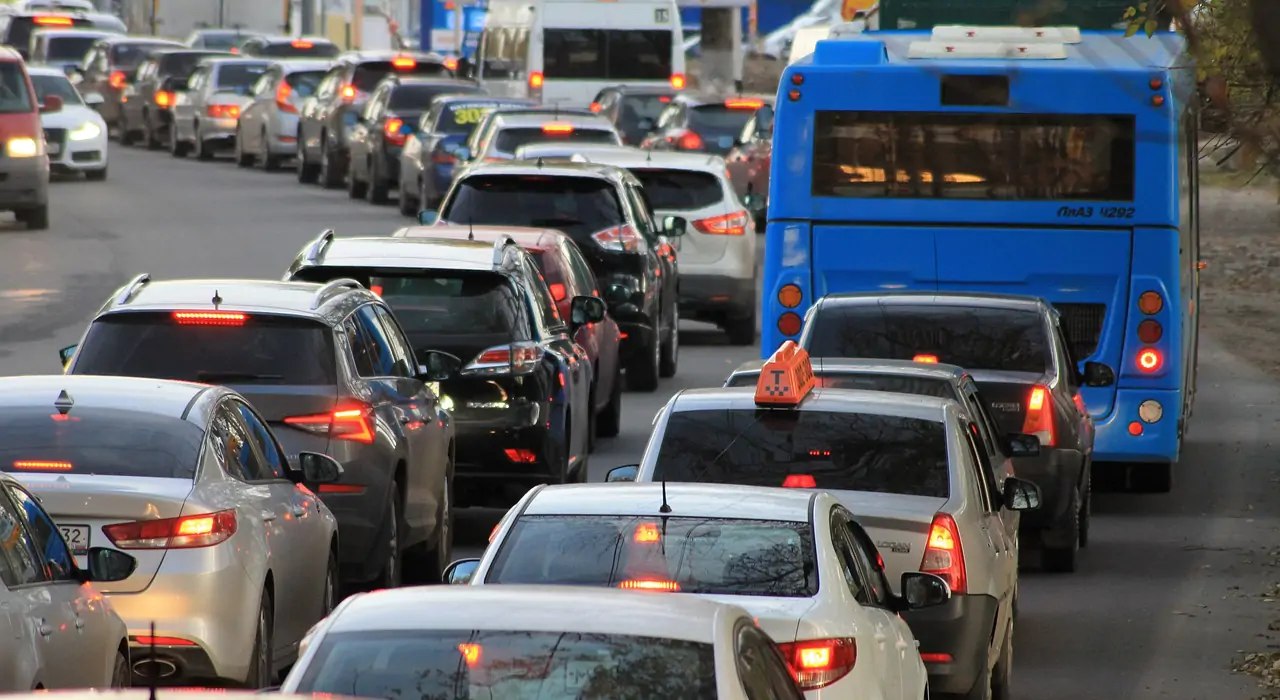
Writing Task In some countries, governments impose usage taxes on car owners to reduce traffic congestion in city centers during peak hours. Do you think this development is positive...
Continue reading
Writing Task: Some people believe they have the right to use as much water as they want, while others think the government should strictly control water usage because it...
Continue reading
Writing Task: In some countries, celebrities complain that the media exposes their private lives. Some people say they should accept this as part of being famous. Do you agree...
Continue reading
Writing Task: Some people believe that paying taxes is the only responsibility they have towards society, while others think everyone should contribute more to their community beyond just paying...
Continue reading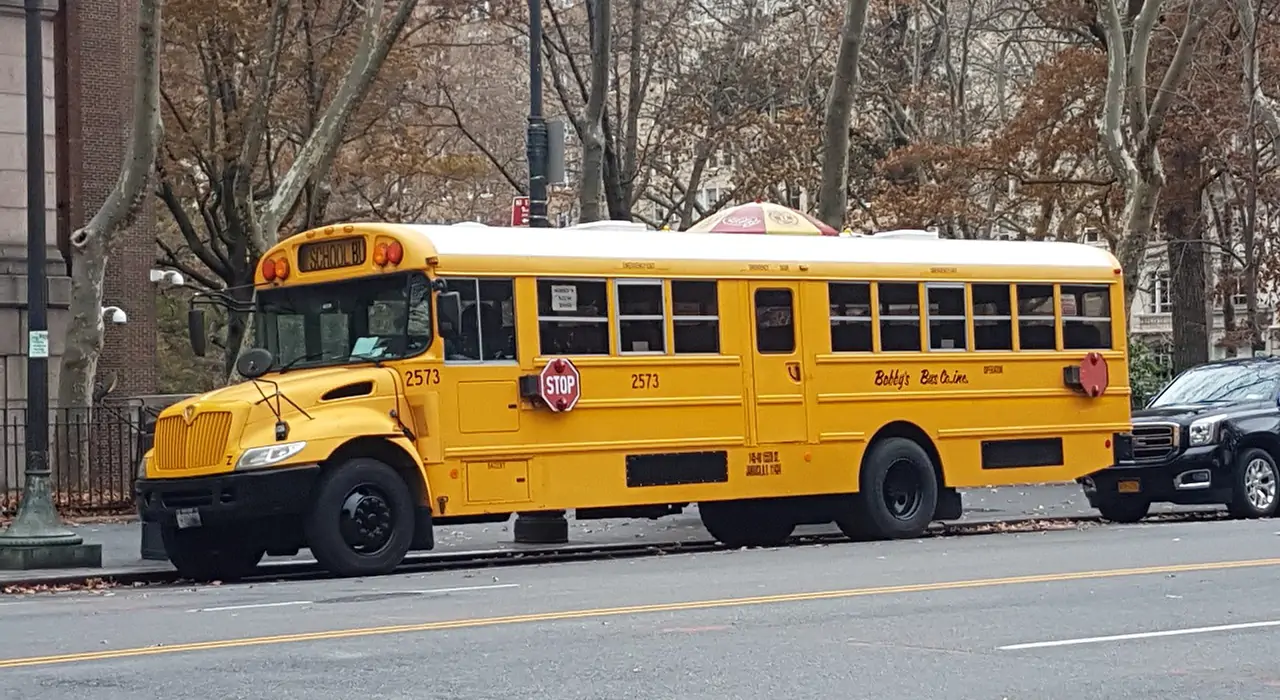
Writing Task: Some people think parents are responsible for transporting their children to school, while others believe it is the government’s duty. Discuss both views and give your opinion....
Continue reading
Writing Task: Nowadays, people change their appearance through hair dyeing, purchasing fashionable clothes, wearing makeup, or even undergoing cosmetic surgery. What are the reasons for this? Do you think...
Continue reading